



The Ultimate Moving Checklist:
8 Weeks to a Smooth Move


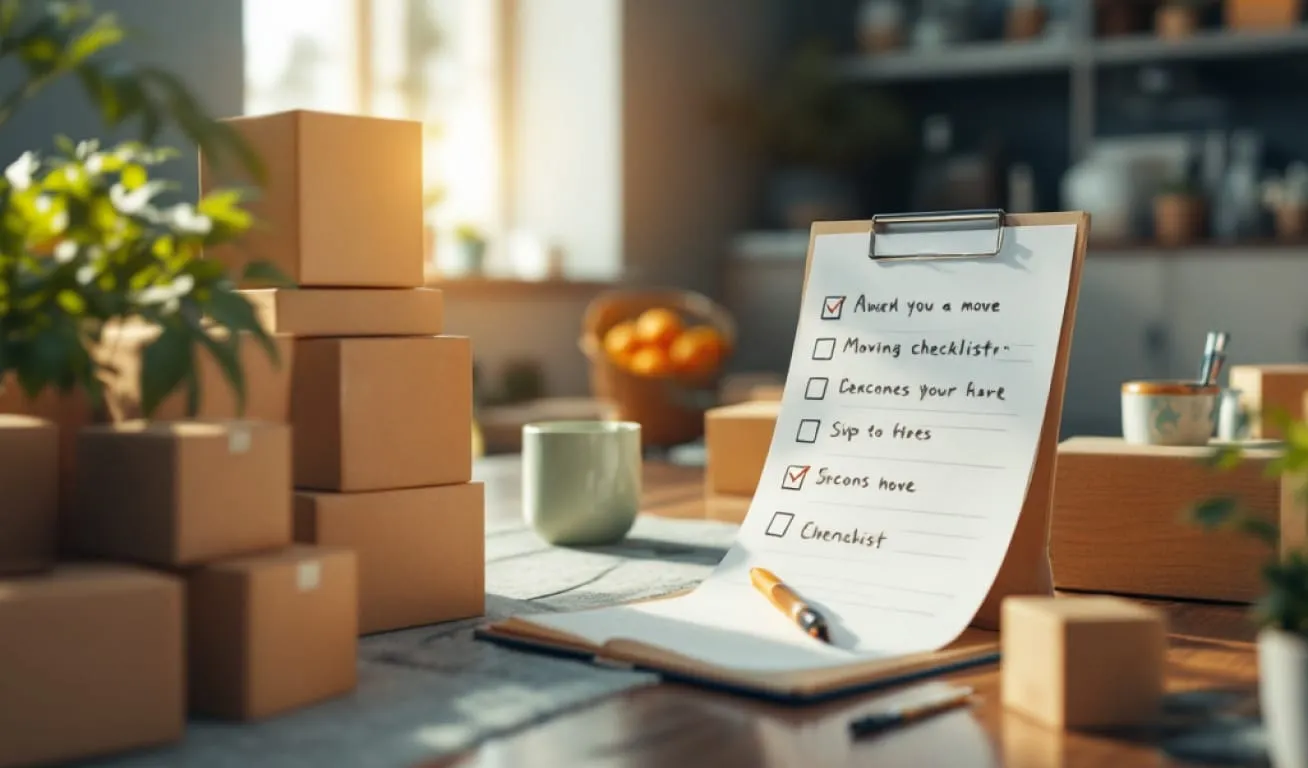
Moving houses/office spaces can be a daunting experience. People always wonder how long does it take to move house or is there a perfect moving checklist that exists. Who to inform when moving a house? Should we have a new home checklist? There are innumerable things you'd need to figure before you can call this process easy. Through this article, we hope to help you lay out a 8 week countdown to moving out and in where we focus on a different aspect every week. Only when you break the process into manageable steps, would there be a clear logic to doing this, making the process exciting and more structured.
Key Takeaways
- Week T-8: What's the plan?
- Week T-7: Let's declutter life (and the house)
- Week T-6: Do we have everything we need?
- Week T-5: Let's pack, pack and pack!
- Week T-4: Redefining the focus
- Week T-3: Final touches
- Week T-2: Clean, sort and move on
- Week T-1: Putting things into action and time for new beginnings
8-Week Moving Countdown Guide
- What's the plan? It's all about budgets, vendors and timelines to beginw with. You'd begin the process with knowing what vendors would help you make the move. Estimating the size of the truck you need etc. are important things to estimate to estimate costs. Get quotes, read reviews and speak to friends and families to take advice. And most importantly, make a checklist for steps you'd encounter basis your purpose and situation.
- Let's declutter life (and the house) A key to moving efficiently is to know what to move and what to get rid of. Look at all the rooms of your house and shortlist items you'd like to donate or get rid of. If they've worn out, moving them from house to house would just be an additional cost for no good. Start arranging your house systematically and list the bulky and smaller items into categories to estimate how many things you'd be moving and what you'd need for them.
- Do we have everything we need? The next step is to start gathering the right packaging material for your items and starting to pack the items that are not in frequent use. You could begin with the bulky items and your valuables- vases, paintings etc. These things need bubble wrap, stronger boxes and tapes. Make sure you have enough packaging material to move your stuff and labelling materials to know the categories of things without opening each box later.
- Let's pack, pack and pack! This is the most time consuming element in the list of things to do when moving house. You're free to begin this earlier than this week and continue for the weeks after. You can also utilise this time to schedule fixtures and connections like gas and water in the new house. If you own pets, you're likely to start estimating the arrangements you'd need to make for their wellbeing. The process can be anxiety-inducing for them hence giving them a safe space is important.
- Redefining the focus When you begin packing, the tasks could feel like an endless ocean of things to do. This is the time to zoom out of the checklists, make sure you have scheduled the service for the desired date, have everything you need for packaging items correctly and have informed relevant people of your moving. Don't forget to inform your mailbox crowders of your change in address and discuss the moving out date and final things with the land-lord if you are moving out of a rented property.
- Final touches This period is best used to do a final rundown of everything you'd need to do in addition to moving out. Book the exit-cleaning service, prepare an essentials box or cupboard for things you'd need over the next few weeks and would only move them closer to your final day. Confirm the arrangements made for your pets and let your neighbours know. It is always emotional to switch houses as you don't just move your stuff, you sign up for letting go of some precious memories while you get ready to make new ones. Take this time to reflect on your time in the house and enjoy the process.
- Clean, sort and move! As the final day comes closer, start assinging labels to the boxes and put them aside in rooms in categories and reduce the amount of things you need in your house. Clean the present house and coordinate with the moving service for your deliveries. Check for insurance and double check that the fragile items and valuables are transported carefully and have the right amount of packaging they need.
- Putting things into action and time for new beginnings Stay calm and focused as you make the final moves. The main tasks have been taken care of while you reach this stage and this is just the element that completes the puzzle which is a successful move. Provide clear instructions to the movers on things you'd need them to know, keep your essentials with you and do a final walk-through of your house.
Save up to 55% OFF on longer storage
Summary
Moving is never simple and may come with a lot of small things one has to take care of. But, breaking the process down into smaller steps and milestones is what keeps the boat going. Follow these simple steps as you plan your moving in 8 weeks!
Frequently Asked Questions
What is the first step to start planning my move?
You should ideally begin with setting timelines for yourself depending on the tenancy agreements and terms, look at your budgets and research moving providers.
How do I avoid packing something I need to use till the day I move?
Every household has a few items like toiletaries, a set of clothes, mattresses etc. that they would need till the very last day of their move. Just pack your essentials separately and keep the reserves in a labelled box incase you'd need them. Segregating these items from the packaging process from the beginning would reduce confusion later.
How do I handle pets or young children during the move?
The moving process can easily intimidate children and pets because there is just so much happening so quickly. Make adequate arrangements by speaking to a creche or day-care or coordinating with your friends and family to take care of them so you can focus on the move and they are also taken care of.


